Migrating From Analog to VoIP in 2026: A Step-by-Step Business Guide
Migrating from analog to VoIP is one of the smartest moves a business can make in 2026. Copper phone lines are being retired across many networks, and clinging to old analog gear now means higher bills and shrinking support. Switching to Voice over IP unlocks lower costs, richer features, and the freedom to work from anywhere.
Yet the word migration makes many owners nervous. Will calls drop? Will the change confuse staff? This guide removes the fear. It walks you through the whole journey, from auditing your current lines to picking handsets, including mobile-friendly options like the Fanvil W610W for staff who roam.
Why Migrate From Analog to VoIP Now?
Analog telephony served us well for a century, but its era is closing. Carriers worldwide are switching off the old public switched telephone network. If your business still runs analog lines, you are paying premium rates for a technology on its way out.
VoIP replaces those lines with voice traffic over your internet connection. The savings are immediate, and the feature set is vast. You gain voicemail-to-email, call recording, auto-attendants, and mobility, all riding on the open SIP standard.
The Standard Behind Every VoIP Call
Modern VoIP depends on the Session Initiation Protocol, or SIP. This open standard, maintained by the Internet Engineering Task Force and defined in RFC 3261, lets phones from any compliant brand register to any compliant platform. That openness is exactly why migration is safer than it sounds. You are not locked into a single vendor.
How to Plan Your Migration From Analog to VoIP
A smooth migration is a planned migration. Rushing the switch is where problems appear. Follow a clear sequence and the transition becomes routine rather than risky.
- Audit your current lines, numbers, and call volumes.
- Check your internet bandwidth and upgrade if needed.
- Choose a SIP provider and a PBX or cloud platform.
- Select handsets that suit each role and location.
- Port your existing numbers to the new provider.
- Provision, test, and train staff before going live.
Notice that testing and training come last but matter most. A perfect technical setup fails if staff cannot transfer a call. Working with dependable specialists during rollout keeps both the wiring and the people ready.
Which Handsets Should You Choose?
Analog handsets cannot speak SIP, so migration means new phones. This is a chance to match hardware to how each person actually works. Not everyone needs the same device.
| Worker type | Best device style | Key benefit |
|---|---|---|
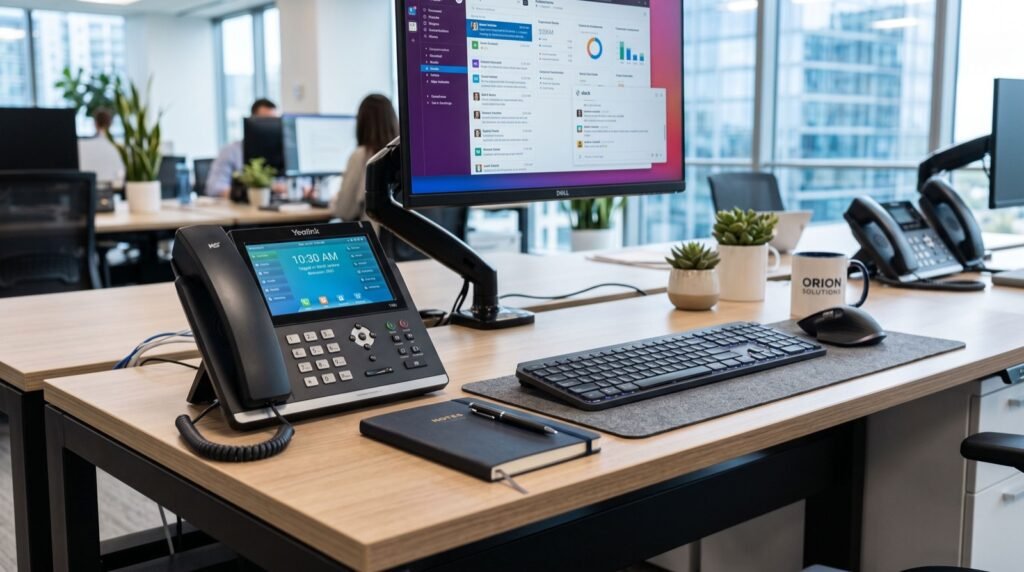
| Desk-bound staff | Wired SIP desk phone | Reliable, PoE-powered |
| Mobile staff | Wi-Fi cordless phone | Roam the whole site |
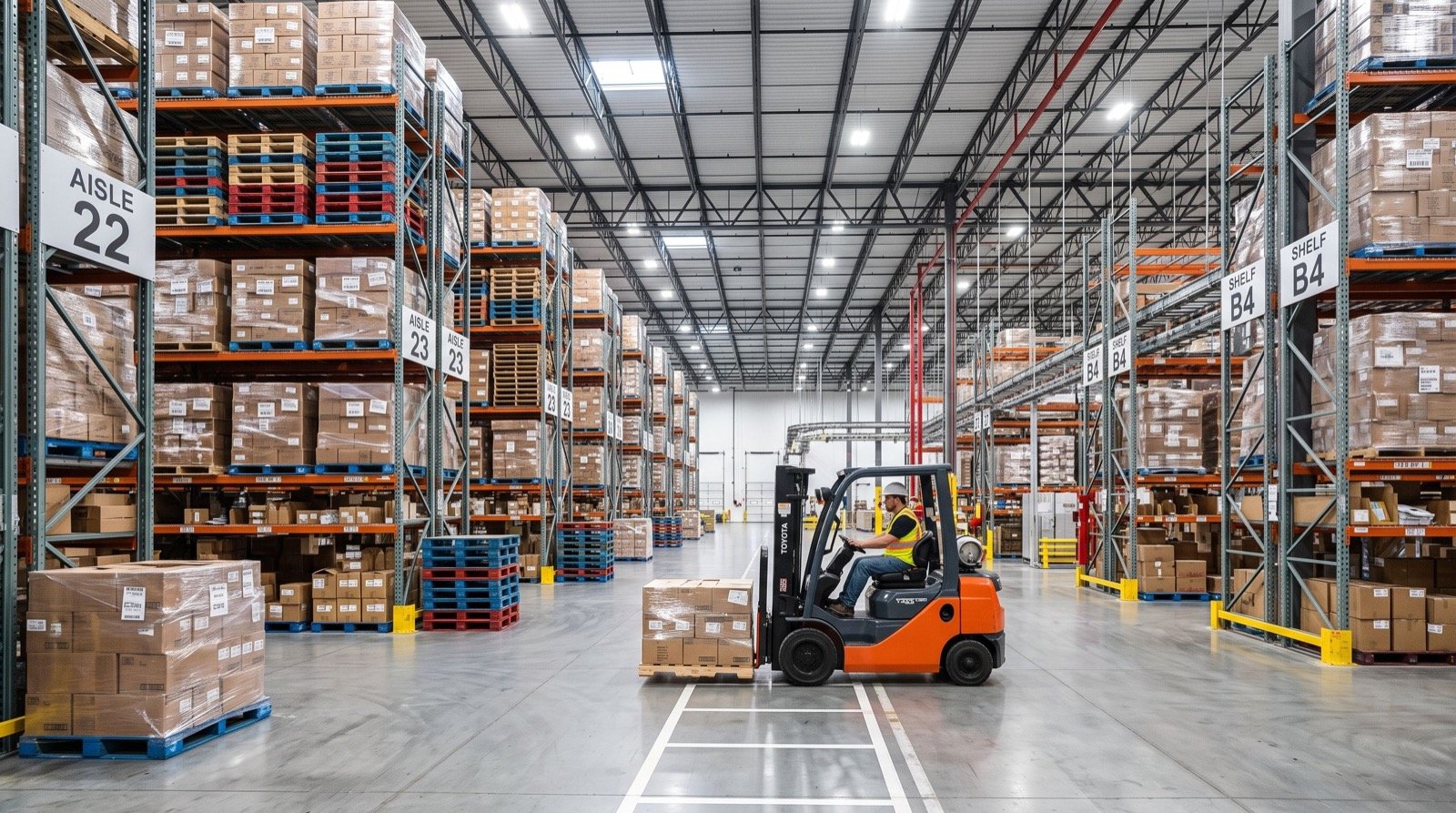
| Warehouse teams | Rugged portable phone | Durable, loud audio |
| Reception | Desk phone + expansion | Handle many lines |
For teams that move around a building, a cordless option shines. The Fanvil W610W connects over Wi-Fi, so warehouse and shop-floor staff stay reachable without being chained to a desk. This mobility is a feature analog systems could never match affordably.
What About Bandwidth and Call Quality?
Owners often worry that VoIP will sound worse than analog. In practice, with the right setup, it sounds better thanks to HD wideband audio. The key is ensuring your network is ready before you switch.
- Budget roughly 100 kbps of bandwidth per concurrent call.
- Enable Quality of Service to prioritise voice packets.
- Use wired connections for stationary desk phones.
- Place Wi-Fi access points to cover roaming areas fully.
Do these four things and call quality will impress even sceptical staff. Poor VoIP audio almost always traces back to a neglected network, not the technology itself.
Avoiding Common Migration Mistakes
Most migration horror stories share the same avoidable errors. Learn from them and your switch stays calm.
- Do not port numbers before the new system is tested.
- Do not skip staff training on transfers and voicemail.
- Do not ignore security by leaving default passwords.
- Do not underestimate the internet upgrade you may need.
From hands-on experience, the errors that hurt most are human, not technical. Staff who were never shown how to park a call or set up voicemail will judge the whole project a failure, even when the wiring is flawless. Budget a proper training session and a simple one-page cheat sheet for every desk. This small investment turns sceptics into fans within a day.
Another quiet pitfall is emergency calling. When you migrate, make sure your provider correctly registers your address for emergency services, since VoIP does not tie a number to a physical line the way analog did. Confirm this before you go live, because it is a safety issue you cannot afford to overlook.
Life After Migration: Getting the Most From VoIP
Migration is the beginning, not the end. Once your phones are live, a world of features opens up that analog never offered. Take time to explore them, because they are already included in what you pay.
Set up an auto-attendant to route callers, enable voicemail-to-email so messages reach staff instantly, and turn on call reporting to understand your busiest hours. Many businesses migrate purely to cut costs and then discover these tools transform how they serve customers. Because everything runs on the open SIP standard, you can keep adding capabilities as your needs grow, without replacing hardware. That long runway is the real reward of leaving analog behind in 2026.
Frequently Asked Questions
Will I lose my phone numbers when I migrate to VoIP?
No. Number porting moves your existing numbers to the new provider so customers reach you the same way. The process takes a few business days, and running old and new systems in parallel prevents any gap in service.
Can I reuse my old analog phones with VoIP?
Not directly, because analog phones do not speak SIP. However, an analog telephone adapter can bridge a few legacy devices during transition. For the best experience, invest in native SIP handsets designed for VoIP.
How long does an analog-to-VoIP migration take?
A small office can migrate in a week, while larger sites take a few weeks. Most of the time is spent on planning, number porting, and staff training rather than the technical switch, which is quick.
Is VoIP reliable enough for a busy business?
Yes, when your internet is stable and configured with Quality of Service. Add a backup connection for critical operations. Millions of businesses now run entirely on VoIP with excellent reliability and clarity.
Conclusion: Make the Switch With Confidence
Migrating from analog to VoIP in 2026 is no longer optional for future-proof businesses. With copper lines retiring, the move brings lower costs, mobility, and modern features that analog can never deliver. Plan carefully, prepare your network, and train your team, and the transition will feel effortless.
Ready to leave analog behind? Browse mobile-friendly SIP options and start your migration with confidence by exploring fanvil ip phones in Lahore. The sooner you switch, the sooner your team enjoys clearer calls and greater freedom.