How to Buy Solar Panels in Pakistan: A 2026 Home Buyer’s Guide
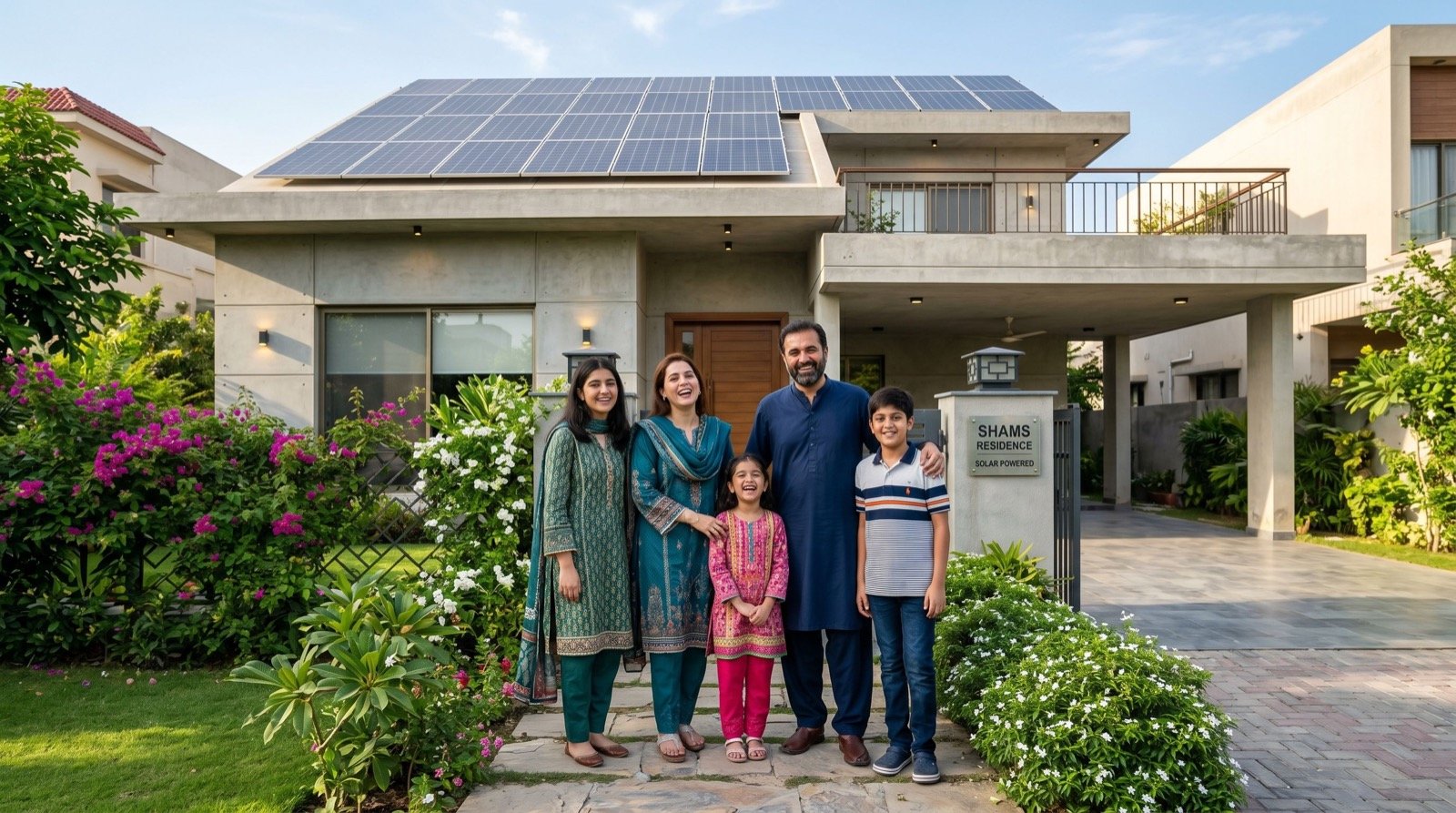
Electricity bills keep climbing, and more families now want to buy solar panels in Pakistan to take back control of their monthly budget. The good news is that panel prices have fallen sharply, financing has improved, and online stores make the whole process simpler than ever. This 2026 guide walks you through sizing, pricing, and choosing the right panel for your rooftop without wasting a single rupee.
Going solar is a long-term decision, so a little planning pays off for decades. Below you will find a clear buying framework, a spec comparison table, and honest answers to the questions homeowners ask before they place an order.
Why buy solar panels in Pakistan right now?
Grid tariffs have risen faster than most household incomes. A rooftop system shields you from those hikes and often pays for itself within four to six years. After that, the power is essentially free for the life of the panels.
Pakistan also enjoys some of the highest solar irradiance in the world. According to the World Bank, expanding solar could dramatically lower national power costs. Your rooftop is a small piece of that same opportunity.
Step one: size your system correctly
Start with your last three electricity bills. Note your average monthly units, usually shown in kWh. This number tells you how big a system you actually need, so you never overpay for capacity you cannot use.
- Add up your monthly units. A typical home uses 300 to 900 units per month.
- Divide by 120. This rough factor gives the kilowatts of panels needed for daylight offset.
- Round up slightly. Allow headroom for summer air conditioning and future appliances.
- Match the inverter. Pair panel capacity with a correctly rated inverter for smooth output.
A 5kW system suits many urban households, while larger homes with heavy cooling loads may need 8kW to 10kW. When you are ready, you can buy solar panels in Pakistan in the exact wattage your calculation points to.
Step two: choose the right panel type
Not every panel performs the same on a Pakistani rooftop. Heat, dust, and long summers all affect real-world output, so the technology you pick matters.
| Panel Type | Efficiency | Best For | Relative Cost |
|---|---|---|---|
| Monocrystalline | 20–23% | Small rooftops, high output | Higher |
| Polycrystalline | 16–18% | Budget systems, large space | Lower |
| Bifacial mono | 21–24% | Reflective or ground mounts | Premium |
| N-type TOPCon | 22–25% | Hot climates, long warranty | Premium |
For most homes in 2026, high-efficiency monocrystalline or N-type panels offer the best value because they generate more power from limited roof space. That means fewer panels, less mounting hardware, and a cleaner install.
Step three: compare prices the smart way
Panel prices are usually quoted per watt. When you shop, convert every quote to a per-watt figure so you can compare fairly across brands and sellers.
- Ask whether the quote includes mounting structure and cabling.
- Check the product warranty and the separate performance warranty.
- Confirm the panels are Tier-1 with verifiable datasheets.
- Look for clear return and after-sales support terms.
- Prefer sellers who publish transparent online pricing.
A trusted retailer like M-Tech Solar Solutions lists panels, inverters, and batteries with upfront prices, which removes the guesswork that often surrounds solar quotes.
What mistakes should first-time buyers avoid?
The biggest error is buying purely on price. A cheap panel with a weak warranty can fail early, wiping out any savings you hoped to gain.
Another common slip is ignoring the inverter. Even excellent panels underperform behind an undersized or low-quality inverter. Treat the two as a matched pair, not separate purchases.
Finally, skipping proper installation can void warranties and create safety risks. Loose connectors and poor earthing cause most rooftop faults. If you want guidance on picking a vetted installer or supplier in your city, the reliable local experts can point you toward well-reviewed local businesses.
Understanding warranties and lifespan
Quality panels carry two warranties. The product warranty covers manufacturing defects, usually for 12 to 25 years. The performance warranty guarantees output, often 80 to 90 percent capacity after 25 years.
Read both before buying. A 25-year performance warranty signals that the manufacturer trusts its own product to last through decades of Pakistani sun.
Financing and net metering
Many banks now offer solar financing with manageable installments. Net metering lets you export surplus daytime power to the grid and receive credit on your bill, shortening your payback period further.
Apply for net metering through your distribution company once your system is installed. The paperwork is straightforward, and the long-term savings are well worth the effort. Keep copies of your equipment invoices, since the utility will ask for them during approval.
Keeping panels efficient in dusty conditions
Pakistan’s dust and summer heat can quietly reduce output. A thin layer of grime on the glass blocks sunlight and lowers generation more than most owners realise.
Rinse your panels with clean water every few weeks during dry spells. Do this early in the morning when the glass is cool to avoid thermal stress. A simple cleaning routine can recover several percent of lost production over a season.
Also inspect mounting bolts and cable clips twice a year. Wind and temperature swings loosen hardware over time, and catching a loose connector early prevents both power loss and safety hazards.
Matching panels to your rooftop and climate
Roof orientation matters as much as panel quality. A south-facing tilt captures the most sunlight across the year in Pakistan, so aim for that direction where possible.
If your roof faces multiple directions, an inverter with several trackers keeps every string productive. High-temperature performance also counts, since panels lose efficiency as they heat up. Choose models with a low temperature coefficient for hot cities like Multan, Sukkur, or Jacobabad.
Frequently Asked Questions
How much does it cost to buy solar panels in Pakistan in 2026?
Prices vary by brand and wattage, but per-watt costs have dropped significantly. A complete 5kW home system, including panels, inverter, and mounting, typically falls into an affordable mid-range bracket. Always compare per-watt pricing across sellers before you commit.
What size solar system do I need for my home?
Base it on your monthly units. A home using around 600 units per month usually suits a 5kW system. Add capacity if you run multiple air conditioners or plan to add appliances soon.
Are monocrystalline panels worth the extra cost?
For most rooftops, yes. They deliver higher efficiency and better performance in heat, so you need fewer panels. That saves roof space and reduces installation hardware, offsetting the higher upfront price over time.
Can I install solar panels myself?
Small DC setups are possible for skilled hobbyists, but grid-tied home systems should be installed by certified professionals. Correct wiring, earthing, and net-metering compliance protect both your warranty and your safety.
Final thoughts
When you buy solar panels in Pakistan the smart way, you turn a rising expense into a decades-long asset. Size your system from real usage, choose efficient panels, and buy from a transparent retailer with solid warranties. Take the first step this month, and your rooftop will keep rewarding you long after the panels are paid off.